

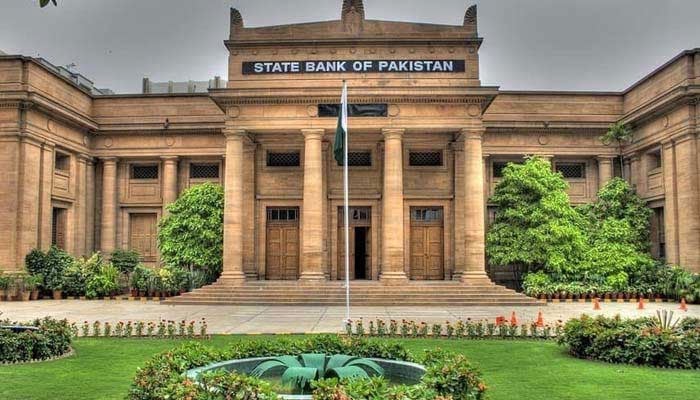
The State Bank of Pakistan (SBP) has kept its key interest rate steady at 11% for the third consecutive time. This decision reflects a cautious approach by policymakers, who are balancing a fragile economic recovery with the significant inflation risks posed by recent floods. The central bank has been in a cycle of monetary easing over the past year, cutting rates by 1100 basis points since a peak of 22% in 2023.
The Impact of Floods on the Economy
Catastrophic floods have devastated farmlands, particularly in the Punjab province, leading to widespread crop damage and disruption to supply chains. The SBP warned that this “temporary yet significant flood-induced supply shock” could push inflation and the current account deficit higher than previously expected in the 2026 fiscal year. While inflation had recently cooled to 3%, the SBP projects it could now breach its 5-7% target range for most of the second half of FY26.
Growth and Reserve Projections
- GDP Growth: The central bank now forecasts that 2026 gross domestic product growth will be at the lower end of its 3.25%–4.25% forecast range.
- Foreign Reserves: Despite the challenges, the SBP projects that its foreign reserves will climb to approximately $15.5 billion by December, helped by resilient remittances.
The decision to hold the rate at 11% was largely anticipated by analysts, who noted that while there was room for a cut, the central bank was prioritizing stability and was wary of potential repercussions on the exchange rate.
This video provides additional context on the central bank’s decision to maintain the interest rate at 11% and the economic factors influencing its policy.
State Bank of Pakistan Holds Interest Rate at 11% | No Change in Monetary Policy | Samaa TV
Would you be interested in a more detailed look at the impact of the floods on Pakistan’s agricultural sector and supply chains?